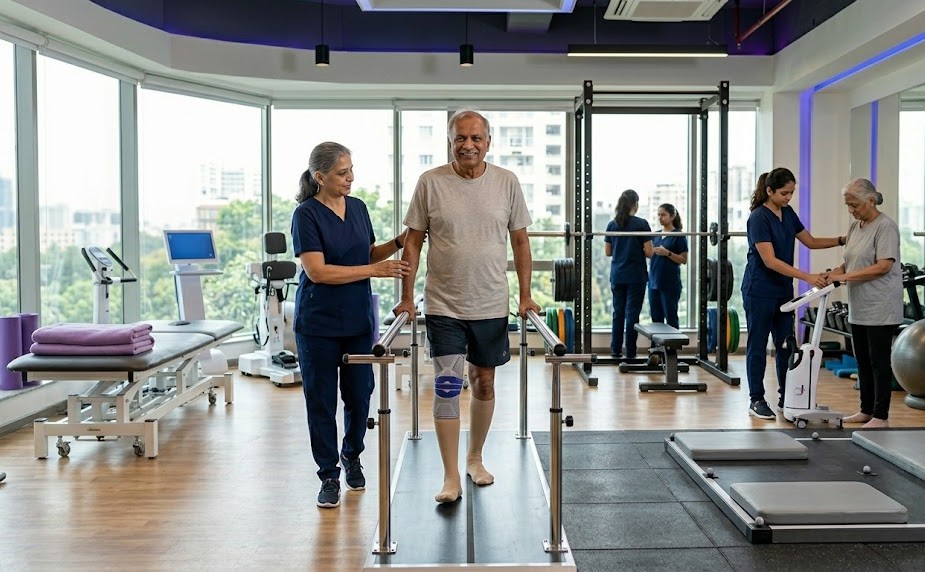
Orthopedic Rehabilitation focuses on restoring movement, reducing pain, improving strength, and helping patients return to their daily activities with confidence.
If you are searching for professional Orthopedic Rehabilitation Services in Bangalore, understanding the rehabilitation process can help you make informed decisions about your recovery journey.
What is Orthopedic Rehabilitation?
Orthopedic Rehabilitation is a specialized treatment program designed to help individuals recover from injuries, surgeries, and disorders affecting the bones, joints, muscles, ligaments, and tendons. Through personalized therapy programs and targeted exercises, rehabilitation promotes healing and improves overall physical function.
A customized rehabilitation plan is developed based on the patient's condition, recovery goals, and overall health.
Reducing Pain and Inflammation
Rehabilitation programs use evidence-based techniques to help control pain, swelling, and inflammation.
Restoring Mobility and Flexibility
Targeted therapy helps improve movement, flexibility, and joint function.
Improving Muscle Strength
Progressive strengthening exercises rebuild muscle support around affected joints and bones.
Preventing Future Injuries
Rehabilitation addresses weaknesses and movement limitations to reduce future complications.
Common Conditions That Require Orthopedic Rehabilitation
Joint Replacement Recovery
Patients recovering from Knee Replacement Surgery, Hip Replacement Surgery, and Shoulder Replacement Surgery often require structured rehabilitation to regain strength, mobility, and confidence.
Fractures and Trauma
Rehabilitation helps restore movement and function after arm fractures, leg fractures, pelvic injuries, and complex trauma cases.
Sports-Related Injuries
Common sports injuries requiring rehabilitation include ACL tears, meniscus injuries, rotator cuff injuries, and ankle sprains.
Spine and Back Conditions
Rehabilitation can improve mobility and reduce discomfort associated with herniated discs, chronic back pain, spinal surgery recovery, and degenerative spine disorders.
Signs You May Need Orthopedic Rehabilitation
Persistent Joint or Muscle Pain
Ongoing pain may indicate the need for specialized rehabilitation support.
Difficulty Walking or Moving
Reduced mobility can significantly impact independence and daily activities.
Reduced Range of Motion
Stiffness and limited movement often improve through rehabilitation programs.
Muscle Weakness and Balance Problems
Rehabilitation can restore strength, stability, and coordination.
Recovery After Orthopedic Surgery
Structured therapy helps improve surgical recovery outcomes.
Difficulty Performing Daily Activities
Therapy supports independence and functional movement.
Stages of Orthopedic Rehabilitation
Phase 1: Pain Management and Recovery
Focuses on reducing pain, swelling, and inflammation through pain management techniques, gentle exercises, activity modification, and therapeutic modalities.
Phase 2: Restoring Mobility
Helps reduce stiffness, improve flexibility, and restore joint range of motion.
Phase 3: Strengthening Exercises
Targets muscle rebuilding, improved stability, increased endurance, and functional strength.
Phase 4: Functional Training
Includes walking training, balance exercises, coordination drills, and mobility practice.
Phase 5: Return to Active Living
Supports a safe return to work, recreation, exercise, and daily routines.
Benefits of Orthopedic Rehabilitation
Faster Recovery
Structured rehabilitation accelerates healing and improves outcomes.
Reduced Pain
Targeted therapies help alleviate discomfort and improve function.
Improved Mobility and Flexibility
Patients regain movement required for everyday activities.
Better Strength and Stability
Exercises strengthen muscles and improve joint support.
Enhanced Quality of Life
Patients regain independence, confidence, and functionality.
Orthopedic Rehabilitation After Surgery
Knee Replacement Rehabilitation
Focuses on restoring knee mobility, strength, and walking ability.
Hip Replacement Rehabilitation
Helps patients regain balance, flexibility, and functional movement.
Shoulder Surgery Rehabilitation
Supports recovery of shoulder strength, stability, and range of motion.
Spine Surgery Rehabilitation
Promotes safe recovery while improving posture, mobility, and core strength.
Why Choose Orthopedic Rehabilitation Services in Bangalore?
Bangalore offers advanced rehabilitation facilities, experienced orthopedic specialists, personalized treatment programs, multidisciplinary care approaches, and comprehensive recovery support designed to achieve long-term functional improvement.
Frequently Asked Questions
How long does orthopedic rehabilitation take?
Recovery duration varies depending on the condition, surgery performed, and individual recovery goals.
When should orthopedic rehabilitation begin after surgery?
Rehabilitation often begins within days after surgery, depending on the surgeon's recommendations.
Is orthopedic rehabilitation necessary after joint replacement surgery?
Yes. Rehabilitation is essential for restoring strength, mobility, and physical function.
Can orthopedic rehabilitation help avoid surgery?
In some cases, structured rehabilitation and physiotherapy may help manage symptoms and delay surgery.
Can elderly patients benefit from orthopedic rehabilitation?
Yes. Rehabilitation can improve balance, mobility, strength, and independence in older adults.
Conclusion
Orthopedic injuries and surgeries can affect every aspect of daily life, but the right rehabilitation program can make recovery smoother and more successful. Whether you are recovering from a fracture, joint replacement, sports injury, or spinal condition, Orthopedic Rehabilitation in Bangalore offers specialized care designed to restore mobility, strength, and independence.