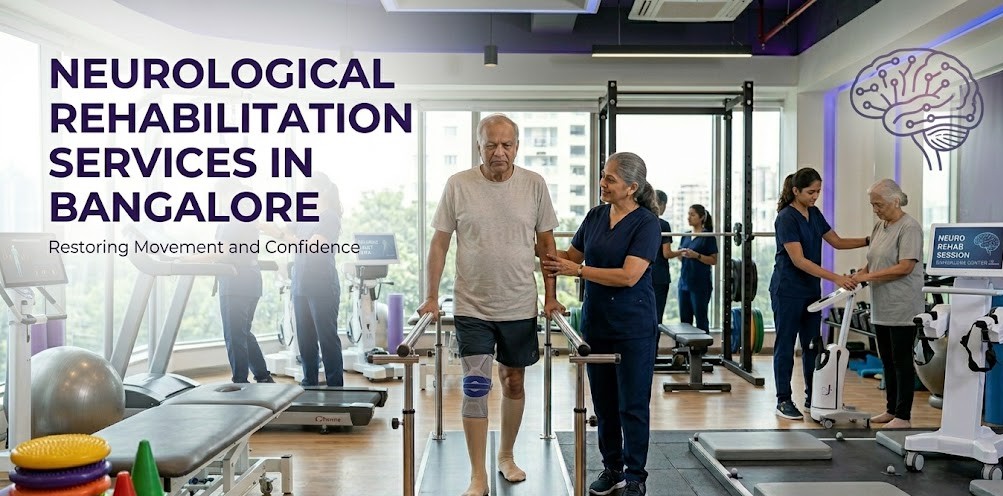
Whether you are recovering from a stroke, spinal cord injury, Parkinson's disease, or traumatic brain injury, proper rehabilitation can help improve physical function and enhance overall quality of life.
If you are looking for professional Neurological Rehabilitation Services in Bangalore, understanding the rehabilitation process can help you make informed decisions about your recovery and long-term well-being.
What is Neurological Rehabilitation?
Neurological Rehabilitation is a specialized treatment program designed to help individuals recover from neurological disorders and regain their physical and functional abilities. It involves a combination of therapeutic exercises, mobility training, balance improvement techniques, and personalized rehabilitation plans aimed at restoring independence and improving daily functioning.
A personalized rehabilitation plan ensures that every patient receives treatment tailored to their specific condition and recovery goals.
Improving Movement and Coordination
Specialized therapies help restore movement patterns, coordination, and physical functionality.
Restoring Muscle Strength and Mobility
Targeted exercises help rebuild strength, improve endurance, and restore mobility.
Enhancing Balance and Stability
Balance-focused therapies improve posture, stability, and reduce the risk of falls.
Increasing Independence
Rehabilitation supports patients in regaining confidence and performing daily activities independently.
Improving Cognitive and Functional Abilities
Therapy programs help enhance memory, concentration, and functional performance.
Supporting Long-Term Recovery
Comprehensive rehabilitation promotes sustained progress and improved quality of life.
Conditions That Require Neurological Rehabilitation
Stroke Recovery
A stroke can affect movement, speech, balance, and cognitive abilities. Rehabilitation focuses on restoring function and helping individuals regain independence.
Parkinson's Disease
Parkinson's disease often causes tremors, stiffness, and movement difficulties. Rehabilitation programs help improve mobility, coordination, and balance.
Spinal Cord Injuries
Spinal cord injuries may affect movement and sensation. Structured rehabilitation helps patients maximize their functional abilities and adapt to daily activities.
Traumatic Brain Injury
Brain injuries can impact physical movement, memory, and cognitive functions. Rehabilitation supports recovery and improves overall functioning.
Multiple Sclerosis
Individuals with multiple sclerosis may experience weakness, fatigue, and balance problems. Rehabilitation focuses on maintaining mobility and improving daily living skills.
Signs You May Need Neurological Rehabilitation
Difficulty Walking or Maintaining Balance
Mobility challenges often indicate the need for neurological rehabilitation.
Muscle Weakness or Loss of Coordination
Specialized therapy can help restore movement and strength.
Reduced Mobility or Flexibility
Structured rehabilitation can improve movement and physical function.
Difficulty Performing Daily Activities
Rehabilitation helps improve independence and confidence.
Problems with Speech or Movement After a Stroke
Therapy supports communication and motor recovery.
Recovery Following Neurological Surgery or Injury
Early rehabilitation often improves long-term outcomes.
Persistent Weakness Affecting Independence
Neurological rehabilitation can help restore confidence and functionality.
Stages of Neurological Rehabilitation
Phase 1: Assessment and Goal Setting
The rehabilitation team evaluates the patient's condition, medical history, physical abilities, and recovery goals. A personalized treatment plan is developed based on individual needs.
Phase 2: Mobility and Strength Training
Therapeutic exercises help improve muscle strength, mobility, and endurance while restoring movement.
Phase 3: Balance and Coordination Training
Activities focus on improving posture, balance, and coordination while reducing fall risk.
Phase 4: Functional Rehabilitation
Patients work on daily activities such as walking, dressing, and performing routine tasks independently.
Phase 5: Long-Term Recovery and Maintenance
Continued exercises and rehabilitation strategies help maintain progress and support long-term well-being.
Benefits of Neurological Rehabilitation
Improved Mobility
Structured rehabilitation helps restore movement and improve physical function.
Better Balance and Coordination
Specialized exercises improve posture, stability, and coordination.
Increased Independence
Patients regain the ability to perform daily activities with confidence.
Enhanced Strength and Endurance
Targeted rehabilitation helps rebuild muscle strength and stamina.
Improved Quality of Life
Comprehensive care supports physical recovery and emotional well-being.
Tips for Supporting Neurological Recovery
Follow your rehabilitation program consistently, participate actively in therapy sessions, maintain a healthy and balanced diet, stay physically active within recommended limits, practice prescribed exercises regularly, get adequate rest and sleep, and maintain a positive and motivated mindset. Consistency and early intervention often play a crucial role in achieving better recovery outcomes.
Frequently Asked Questions
What is neurological rehabilitation?
It is a specialized therapy program that helps individuals recover from neurological conditions and improve mobility and independence.
Who can benefit from neurological rehabilitation?
People recovering from stroke, Parkinson's disease, spinal cord injuries, traumatic brain injuries, and multiple sclerosis.
How long does neurological rehabilitation take?
Recovery time varies depending on the condition and individual goals, ranging from weeks to several months.
Can stroke patients benefit from neurological rehabilitation?
Yes. Rehabilitation helps improve movement, balance, strength, and daily functioning after a stroke.
When should neurological rehabilitation begin?
Early rehabilitation, as recommended by a healthcare professional, often leads to better recovery outcomes.
Conclusion
Neurological conditions can affect nearly every aspect of life, but the right rehabilitation program can make recovery more effective and rewarding. Whether you are recovering from a stroke, spinal cord injury, Parkinson's disease, or traumatic brain injury, Neurological Rehabilitation Services in Bangalore provide specialized care aimed at restoring function, improving mobility, and enhancing independence.